Clinical Nutrition Specialist Dr. Rehab Abdulwareth Al-Mamari’s Perspective on Steviola & Nocal: A Professional Review of Sugar Alternatives
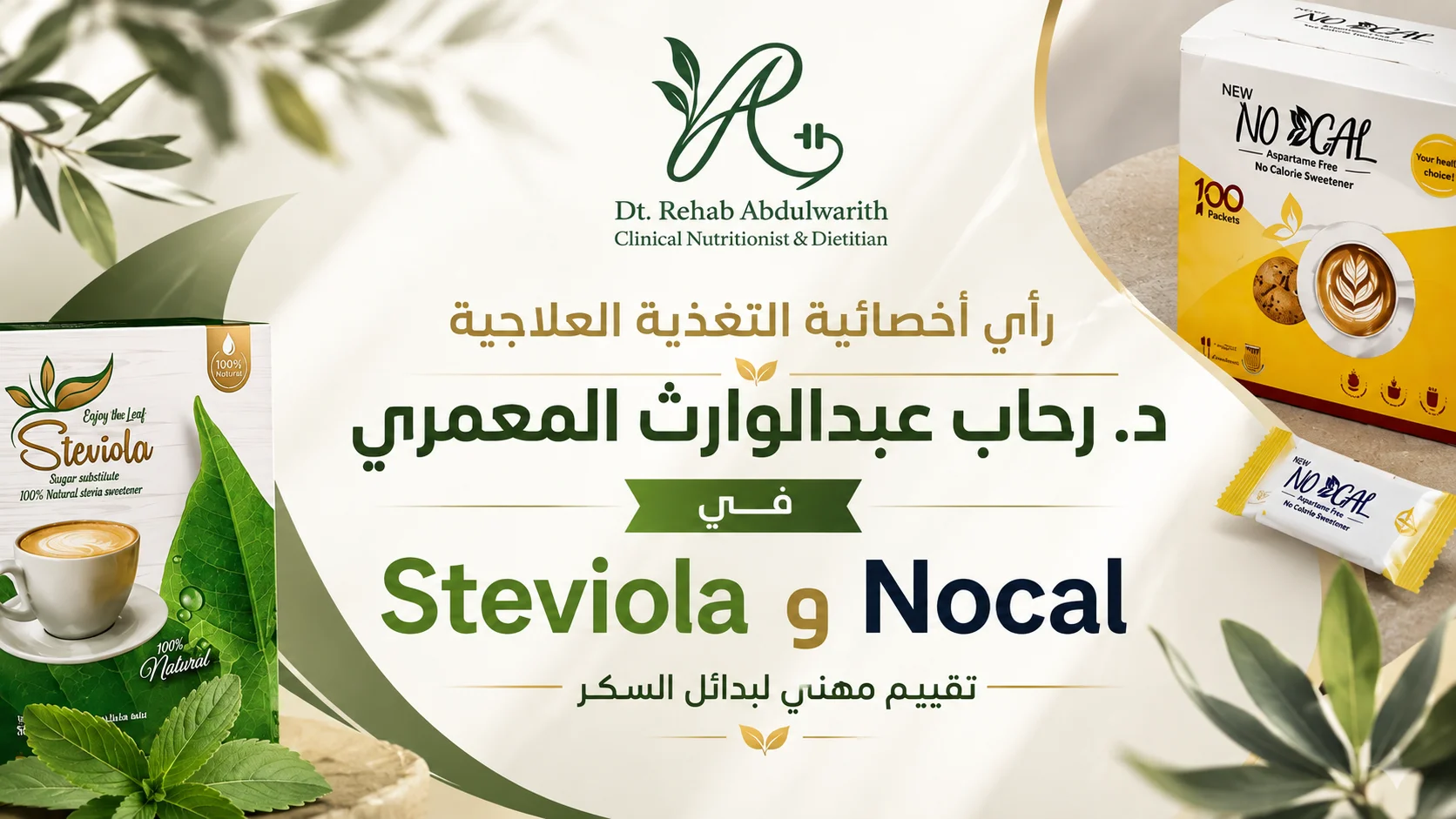
I’d like to share my personal experience, as well as the experiences of my clients, with the sugar substitutes Steviola and Nocal.
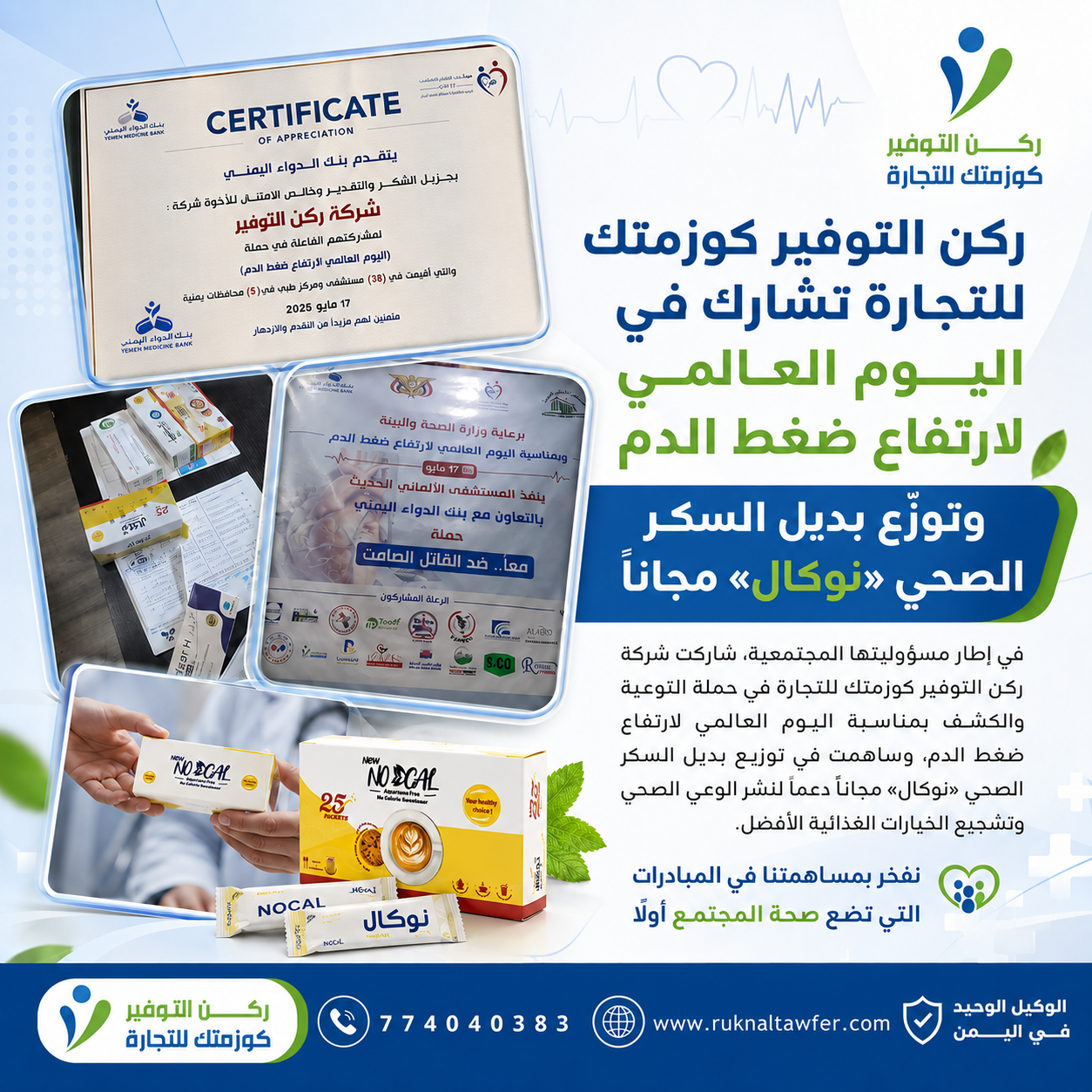
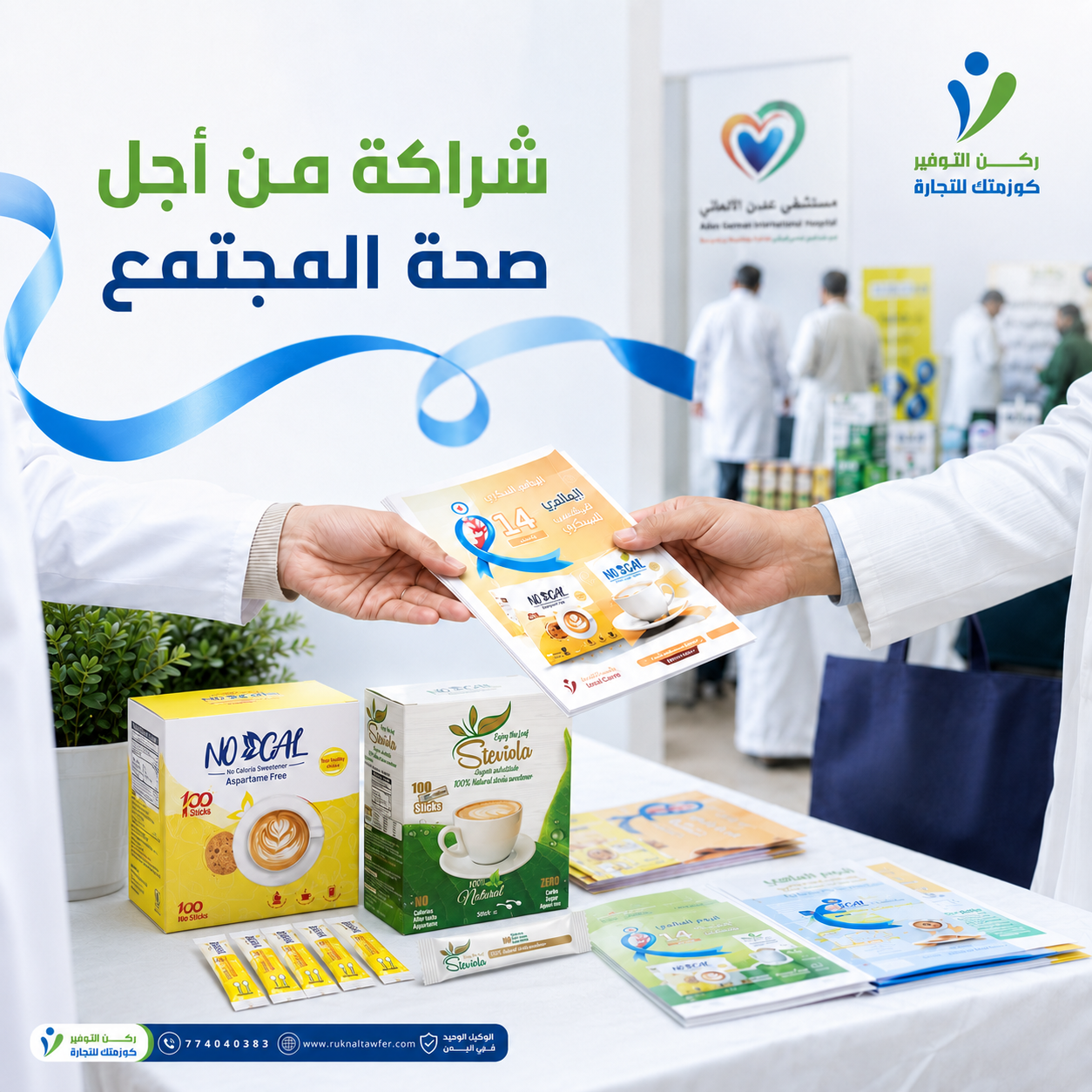
The experience has been excellent, and both products have become reliable options for daily use. They are aspartame-free, suitable for people with celiac disease, and non-GMO, with ingredients derived from natural sources.
In terms of taste, features, and credibility, these are genuinely two of the best sugar substitutes I have tried. Below is a brief overview of each product and why they may be considered practical alternatives to regular sugar.
Excessive sugar consumption is associated with an increased risk of several chronic health conditions, including type 2 diabetes, obesity, metabolic syndrome, cardiovascular diseases, and others.
For this reason, reducing sugar intake has become an important part of dietary recommendations, particularly for individuals who need to manage blood glucose levels due to chronic conditions or reduce their overall calorie intake.
Among the available alternatives are Steviola and Nocal, each of which uses a different type of sweetener.
🍃 Steviola
Steviola is a natural, low-calorie sweetener based on a balanced combination of stevia leaf extract and erythritol.
Stevia contains active compounds known as Steviol Glycosides, which are responsible for its naturally sweet taste.
Erythritol is a naturally occurring sweetener from the sugar alcohol family. It is commonly used to improve texture, flavor, and provide a mouthfeel that is more similar to regular sugar.
Key benefits:
• Extremely low in calories, almost calorie-free
• Glycemic Index (GI) = 0
• Does not raise blood glucose levels or significantly affect insulin
• Does not promote tooth decay
• Suitable for people with diabetes
• May support weight management by helping reduce calorie intake
• Contains compounds with antioxidant properties
• Suitable for regular daily use across different age groups
Uses:
Tea, coffee, hot and cold beverages, desserts, cooking, and baking.
Sweetening equivalent:
One sachet (1 g) provides approximately the same level of sweetness as two teaspoons of regular sugar.
━━━━━━━━━━━━━━
Nocal
Nocal is a sugar substitute based on sucralose, a low-calorie, non-nutritive sweetener.
It is characterized by:
• Being approximately 600 times sweeter than regular sugar
• Providing a taste very close to natural sugar
• Having little to no bitter aftertaste
• Containing almost no calories, with each sachet providing less than 4 calories
In addition to sucralose, Nocal contains small amounts of dextrose and maltodextrin.
More than 110 scientific studies were reviewed before sucralose received FDA approval. These studies assessed areas including general toxicity, carcinogenicity, neurological effects, fertility, and reproduction, with the evaluations supporting its safety for human consumption within approved intake levels.
Clinical studies also indicate that sucralose can be used by people with diabetes because it generally does not significantly raise blood glucose levels or stimulate insulin secretion when consumed within recommended amounts.
Uses:
Sucralose is heat-stable, making it suitable for coffee, tea, hot beverages, cooking, and baking.
📌 And remember: one of the most important principles in nutrition—and in life—is moderation.
🥑 Clinical Nutrition & Dietetics Specialist
Dr. Rehab Abdulwareth Al-Mamari
Rukn Al-Tawfeer Cosmetics Trading
Ph. Mohammed Ali Algaradi
#Explore #Nutrition #Health #Diet #Exercises #Dietitian #Nutritionist #Diseases #HealthyLifestyle

Have a question about this article?
Reach our team directly on WhatsApp Business for product details or partnership terms.